Start with the cause, not the crack
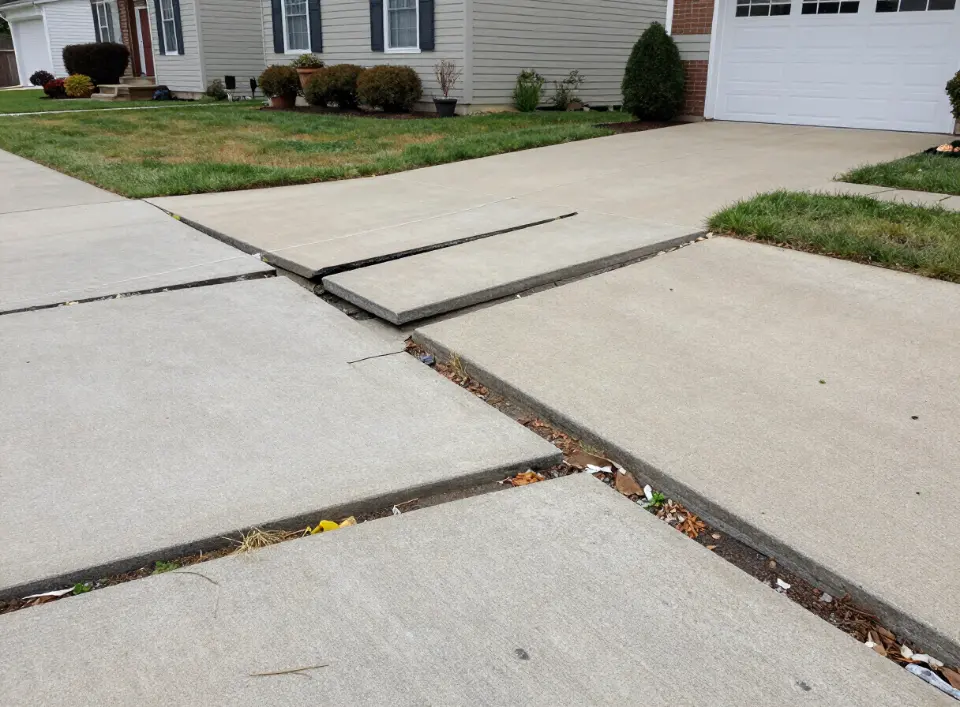
A crack is a symptom. The real question is why the concrete moved. If a panel heaved because the sub-base washed out beneath it, sealing the crack will not stop the next panel from doing the same thing. If a surface scaled because of salt and freeze-thaw but the slab beneath is solid, a repair or sealer can buy years. We always look under the failure before recommending a fix.
In Ohio, the most common causes are freeze-thaw cycling, poor drainage, a weak or uncompacted base, and joints that were spaced too wide or cut too late. Each one points to a different repair or replacement path.
When a repair usually works
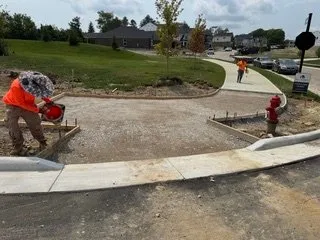
Selective panel replacement is the right call when only a few panels have failed and the rest of the slab is sound, flat, and well-drained. We cut out the failed panels, repair the base beneath them, and pour new concrete finished to match what stays.
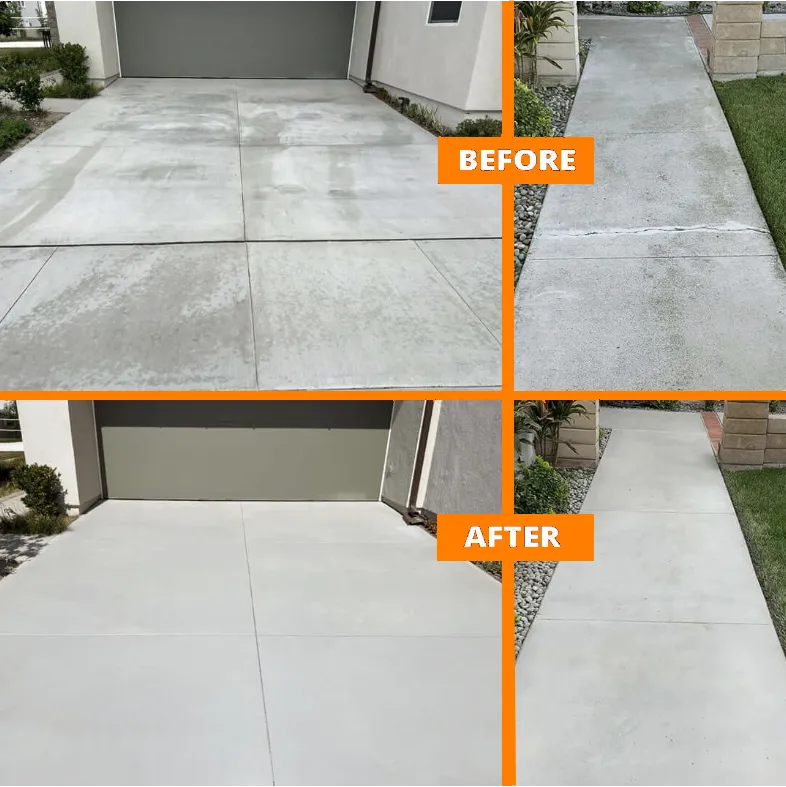
Surface scaling on an otherwise solid slab can often be addressed with a bonded overlay or resurfacing. Trip hazards at heaved joints can sometimes be ground down. And sound concrete that is simply aging benefits from sealing to slow further water and salt damage.
When replacement is the real fix
Replacement makes sense when the failures are widespread, the base has failed across the slab, or the drainage runs the wrong way. Pouring new concrete over a failed base or a wrong slope just buries the problem and shortens the life of the new work.
If cracks are random and run through the middle of panels, if multiple panels have settled, or if water pools and runs toward your garage or foundation, replacement lets us rebuild the base, correct the grade, and lay out control joints correctly from the start.
What it costs to consider
We do not quote prices without seeing the slab, because square footage, access, tear-out volume, and finish all move the number. What we will do is give you both options in writing when the choice exists, with the cost difference, so you can decide on facts rather than a guess.
The smaller ticket is often the right one. If a repair will serve you for years, we will quote the repair even though it is the smaller job. If replacement is the durable fix, we will say so and explain why.
Common questions
Can cracked concrete be repaired instead of replaced?
Often yes, if the cracks are localized and the base beneath is sound. Selective panel replacement can fix the failed sections while keeping the sound concrete. If the base has failed or cracking is widespread, replacement is usually the durable fix.
How do I know if my concrete base is failing?
Signs include multiple settled or heaved panels, cracks that keep widening season to season, and water pooling on or near the slab. We assess the base on site before recommending repair or replacement.
Is it cheaper to repair or replace concrete?
It depends on how much of the slab is failed and what is causing it. A localized repair is usually less expensive short term, but a repair on a failed base will fail again. We give you both options in writing with the cost difference.
Can you match new concrete to my existing slab?
We finish replacement panels to match the surrounding concrete as closely as possible in texture and color. A perfect match to aged concrete is not realistic, but the difference is usually subtle.